
Puffiness Under One Eye: Causes, Treatments, and When to See a Doctor

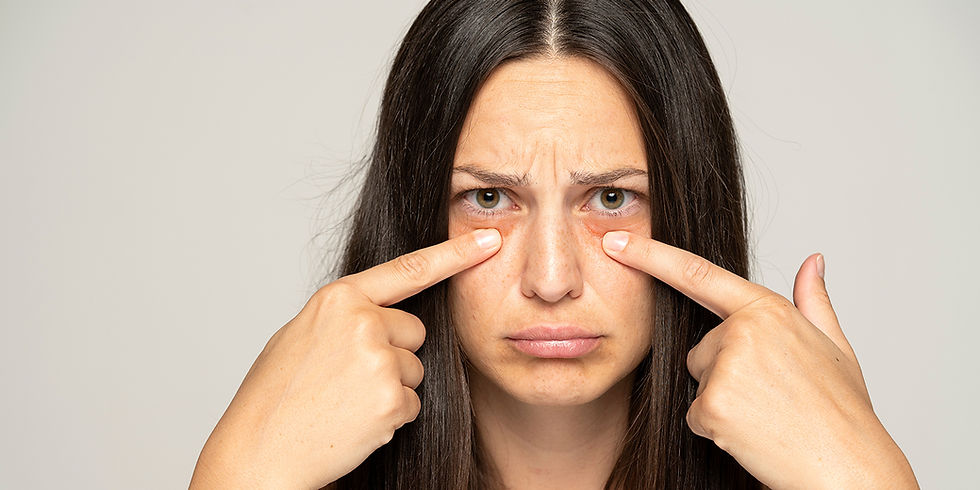
Waking up with puffiness under one eye can be annoying, uncomfortable, and sometimes concerning. While occasional mild swelling is common and often harmless, persistent or severe puffiness under one eye might signal an underlying issue that needs medical attention. Understanding the causes and knowing when to seek help from an eye hospital in Panchkula can help you maintain both eye health and appearance.
What Is Puffiness Under One Eye?
Puffiness or swelling under one eye refers to localized inflammation or fluid buildup in the tissue surrounding the eye. Unlike general under-eye bags that affect both eyes, puffiness under a single eye is usually linked to a specific condition affecting that side — such as infection, allergy, or sinus problems.
The skin around the eyes is extremely thin and sensitive, making it more prone to swelling from even minor irritation. While it can be temporary, recurring puffiness under one eye should not be ignored.
Common Causes of Puffiness Under One Eye
There are several reasons you might experience puffiness on just one side. Let’s look at the most common causes:
1. Lack of Sleep or Fatigue
Poor sleep or irregular sleeping patterns can lead to fluid retention around the eyes. Sometimes, the way you sleep — especially on one side — can cause puffiness under one eye due to fluid accumulation overnight.
Tip: Try sleeping on your back and using an extra pillow to reduce fluid buildup.
2. Allergies
Seasonal allergies or sensitivity to dust, pollen, or cosmetics can cause irritation and swelling in one eye. The body releases histamines in response to allergens, leading to itching, redness, and puffiness.
Treatment: Over-the-counter antihistamines and cold compresses often provide relief. However, if symptoms persist, visit an eye hospital in Panchkula for a detailed evaluation.
Also Read: Different Types of Squint
3. Eye Infections (Stye or Conjunctivitis)
A bacterial infection such as a stye (painful bump on the eyelid) or conjunctivitis (pink eye) can cause noticeable puffiness in one eye. These infections often come with redness, tearing, or crusting around the lashes.
Treatment: Avoid touching or rubbing the eye. Warm compresses and prescribed antibiotic or antiviral drops from an eye specialist usually help clear up the infection.
4. Sinus Problems
Blocked or inflamed sinuses can cause swelling under one eye, particularly if the congestion affects one side more than the other. Sinus-related puffiness is often accompanied by pressure, headache, or nasal congestion.
Treatment: Steam inhalation, nasal sprays, and staying hydrated can reduce swelling. Persistent sinus issues may require evaluation by an ENT or an ophthalmologist.
5. Injury or Trauma
A minor bump or injury around the eye can cause localized swelling and puffiness. Even rubbing your eye aggressively can cause mild inflammation.
Treatment: Apply a cold compress to minimize swelling. If pain or bruising persists, consult an eye hospital in Panchkula to rule out internal injury or orbital fractures.
6. Tear Duct Blockage
When the tear duct gets blocked, it prevents tears from draining properly, causing puffiness and watery discharge on one side. This condition is more common in infants but can affect adults due to infections or structural issues.
Treatment: Massage the tear duct area gently, but if swelling continues, an eye specialist may recommend minor surgery to open the duct.
7. Insect Bites or Allergic Reactions
Insect bites or reactions to certain skincare or eye makeup products can cause one-sided puffiness. The swelling is usually itchy and appears suddenly.
Treatment: Use a cold compress to reduce swelling and avoid scratching. Severe allergic reactions might require antihistamines or medical attention.
8. Underlying Medical Conditions
In some cases, puffiness under one eye could indicate an underlying condition like thyroid eye disease, kidney issues, or infections such as cellulitis. These require immediate professional attention.
Warning Signs: Pain, redness, warmth, or vision changes along with puffiness should not be ignored — consult a doctor promptly.
Effective Home Remedies for Puffiness Under One Eye
If your puffiness is mild or occasional, these simple home remedies can help:
Cold Compress: Apply a clean, cold cloth or chilled spoon over the affected area for 5–10 minutes.
Cucumber Slices or Tea Bags: Natural anti-inflammatory properties help soothe the area.
Stay Hydrated: Dehydration can worsen under-eye puffiness. Drink plenty of water.
Reduce Salt Intake: High sodium causes fluid retention, which can increase swelling.
Sleep Well: Ensure 7–8 hours of sleep every night and maintain proper sleeping posture.
If puffiness persists for more than a few days or keeps recurring, it’s time to visit an eye specialist.
When to See a Doctor
While most cases of puffiness under one eye are harmless and temporary, you should see a doctor or visit an eye hospital in Panchkula if you experience:
Persistent swelling lasting more than 3–5 days
Pain, redness, or warmth around the eye
Blurred or double vision
Discharge or crusting of eyelids
Swelling spreading to other areas of the face
An ophthalmologist will perform a thorough eye examination and may recommend further tests to identify underlying issues such as infection, sinusitis, or orbital inflammation.
Treatment Options at an Eye Hospital in Panchkula
At a reputed eye hospital in Panchkula, patients can access a range of diagnostic tools and advanced treatments for under-eye swelling. Depending on the cause, treatment may include:
Medication: Antibiotic, antiviral, or anti-allergic eye drops.
Drainage Procedures: For blocked tear ducts or abscesses.
Surgery: In rare cases where structural problems or chronic infections cause puffiness.
Cosmetic Procedures: For persistent puffiness due to fat deposits or aging.
With expert care and personalized treatment plans, patients can recover quickly and prevent recurrence.
Conclusion
Puffiness under one eye may seem like a minor issue, but it can indicate anything from a simple allergy to a serious infection. Early diagnosis and proper treatment are essential to protect your eyes and prevent complications.
If you notice recurring or painful swelling, don’t ignore it — consult an experienced specialist at a trusted eye hospital in Panchkula. Timely care not only restores your appearance but also ensures lasting eye health and comfort.


Comments